14 Smart Ways To Spend Your Leftover Window Repair Budget


Window Repair Made Easy
Window repair is a project that's relatively easy for the average homeowner to tackle. You'll need a few supplies and tools, which can be found at many hardware stores or home centers. shops.
Before beginning any task, you must wear eye protection and gloves to avoid being injured by glass shards broken off. You'll need to remove any glazing pins (metal pieces with pointed edges that are pushed into the frame), which hold the pane in position.
How to repair a cracked or chipped pane
There aren't many things more than a source of anxiety when it comes to the maintenance of your home than discovering a cracked window. This kind of damage not only lets outside air and pests in the house, but it also weakens the window and may lead to further cracks over time.
It is easy to repair window cracks at home by using simple materials and solutions. It is essential to take action before the crack gets worse.
Cracks in glass windows usually start small, but get bigger as time passes. This is especially when they are subjected to extreme temperatures or rough treatment. It's important to understand that there are different kinds of cracks that occur in glass, which each have unique causes and solutions.
Cracks caused by thermal stress can be caused by the constant expansion of glass in doors or windows which are shut and opened frequently, or in places where temperatures fluctuate. These cracks usually begin at the edges of the window, and then move towards the center with time.
Impact cracks are another kind of cracks in glass windows. They are caused by pebbles or golf balls hitting the glass, or sudden pressure. These types of cracks usually have a spider web-like appearance and can be quite difficult to detect or avoid.
Although it's not the most visually pleasing option but one of the simplest ways to repair a damaged or cracked window is to cover it with tape. This will stop the crack from spreading and seal the crack. This can be temporary solution until permanent solutions are found.
Glass adhesive is another alternative. It was designed to be used on automobile windows, but it works equally well on household windows. You can purchase this kind of sealant online or at most auto maintenance stores.
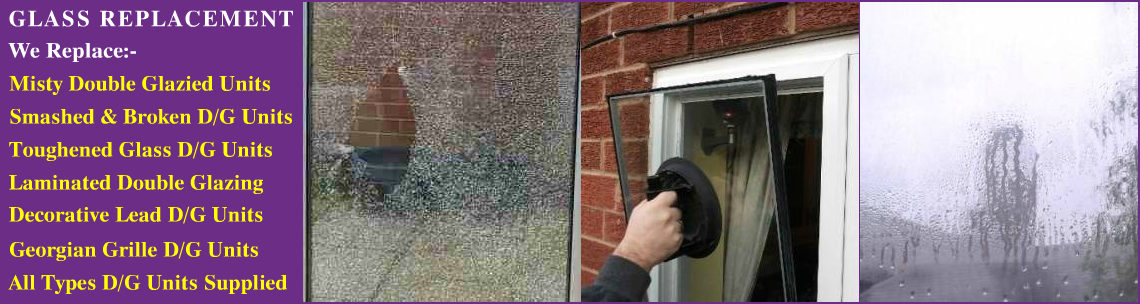
Follow the instructions on the package to mix the two pieces of the adhesive. then apply it to the damaged glass and press it firmly. Once the sealant dries it should stop the crack from spreading further and it is easy to remove by using a razor. If the crack is too wide for this method, it's likely that the window will need to be replaced.
Applying Masking Tape
Applying masking tape on surfaces prior to painting is an essential step in any project. Whether you're painting exterior or interior walls, windows or trimming it's crucial to correctly mask off the area to avoid overspray and a mess later on. Masking isn't only for large jobs, either- it can also be used to protect carpets and furniture from drips and roller spatter.
Some hardware stores sell pre-taped masking films which makes the process simpler than placing strips of paper or adhesive tape. This product has a strip of regular adhesive painter's tape that runs along one edge, and it attaches firmly to anything you don't want painted, including windows and glass.
Make sure to thoroughly clean the walls and moldings prior to starting any masking. This will remove any dirt, dust, and other debris. This can prevent the adhesive from sticking well, so it's essential to make sure you complete the task correctly.
Based on the task at hand, you'll likely require a variety of different thicknesses of masking tape. window repairman have a greater level of adhesion, which means they're great for precision work and high-end finishes. Thinner tapes have lower levels of adhesion, but they're suitable for more general use.
Make sure that you apply tapes straight and securely. This will give you a neat finish after you've done, and it's vital to ensure that any gaps or poorly adhered-to areas are cleaned prior to moving on.
Consider getting a painter’s tape applicator if you are not comfortable with tape or if you want to make the process simpler. It has an integrated cutter and dispenser which makes it a convenient and quick way to align the tape to the wall.
Make use of a silicone masking tape that is non-sticky and not flammable. It's available at many hardware stores, and is extremely durable and resistance to temperature. It won't tear off or fall off when you use it and is less likely to harm fragile surfaces like wood or glass.
Applying Super Glue
Super glues, also referred to as cyanoacrylate, are an excellent solution for repairing damaged glass. These instant adhesives join non-porous surfaces together and create a crystal clear seal that can be able to withstand large loads and withstand shock. They can be used on many different substrates like plastic, metal, wood, and ceramics. They are available in both gel and liquid formulas. Liquids penetrate cracks and fractures more effectively than gels, and dry quicker.
The best kind of super glue for your needs will depend on the type of substrate and the environment. You should select a glass-specific superglue with the same index refraction of your glass to ensure that the seal stays invisible. A specialized superglue for glass has more strength than standard cyanoacrylate glues and can also withstand temperatures up to a certain point.
The temperature in which you work will also have an impact on how long it takes the super glue to achieve initial adhesion. A hotter room will increase the viscosity (or thickness) of the super glue, whereas the lower temperature will reduce it. This has nothing to do with the chemistry of the glue, but it is an important aspect to consider, especially when working outdoors or in indoor environments where the humidity can fluctuate drastically.
Super glue is a toxic substance, and it can cause severe burns on the skin. This is why it is always best to wear gloves and ensure that your workspace is adequately ventilated. A hairdryer can be used to accelerate the drying process of super glue, however it is essential to keep it at a low temperature setting. You can also open windows and fans to promote circulation in your workspace and help the glue dry faster and prevent you from breathing in harmful fumes.
If your project requires precision application and a fast setting time, you might want to opt for a super glue using brush applicators. A product such as Loctite's Super Glue Liquid Brush On is equipped with a simple brush applicator that enables you to regulate the amount of adhesive that is applied, making it perfect for projects that require precision or vertical application. This super glue liquid is suitable for a variety of substrates, is resistant to temperatures and shocks up to 120degC, and is dishwasher safe.
Applying Epoxy
Epoxy can be used for permanent repairs to rotting window sills door jambs, and exterior molding that would otherwise be expensive or difficult to replace. It is also simple to work with and can be cut, shaped and sanded just like wood. It is extremely durable and can withstand the elements without cracking or breaking. It is also stain-resistant, and can be painted in a color that matches the wooden surfaces around it.
When working with epoxy, it is recommended to seek out professional assistance from an experienced repair and painting company. This will ensure that the work is done according to specification and correctly. They will also know how to apply the epoxy floor coating using the correct equipment and correct application process.
Take note of all the directions provided by the manufacturer if you are doing it yourself. They will tell you the correct ratio of part A and part B epoxy and which temperature range is the most suitable for the product. If you apply the epoxy under circumstances that are not ideal, it might not be cured properly or even bubble or peel.
After the first coat of epoxy has been put on, wait a general window of between 10 and 24 hours to apply the second coat. This time period can vary based on brand, so make sure to consult the manufacturer of the product to make sure you are giving it the time it needs for a good result.
During this time, you will have to shield the work area from wind and rain. If you can, put a loose-fitting tent on the surface to keep it dry and clean while you wait for it to cure. This is important if you plan to apply multiple coats of epoxy.
After the first coat has dried and dried, it's time to begin adding color flakes to the epoxy. The flakes are available in a variety of colors, and they can be mixed with the epoxy to create a unique visual effect. It is recommended to work in smaller sections when applying the flakes because you will have less time to roll the epoxy over itself as you move. If you have remaining epoxy after you've finished the flakes, it can be scraped off using a putty knife or drywall taping tool, or an old dustpans and put back into the mixing bucket to use for a different section.